

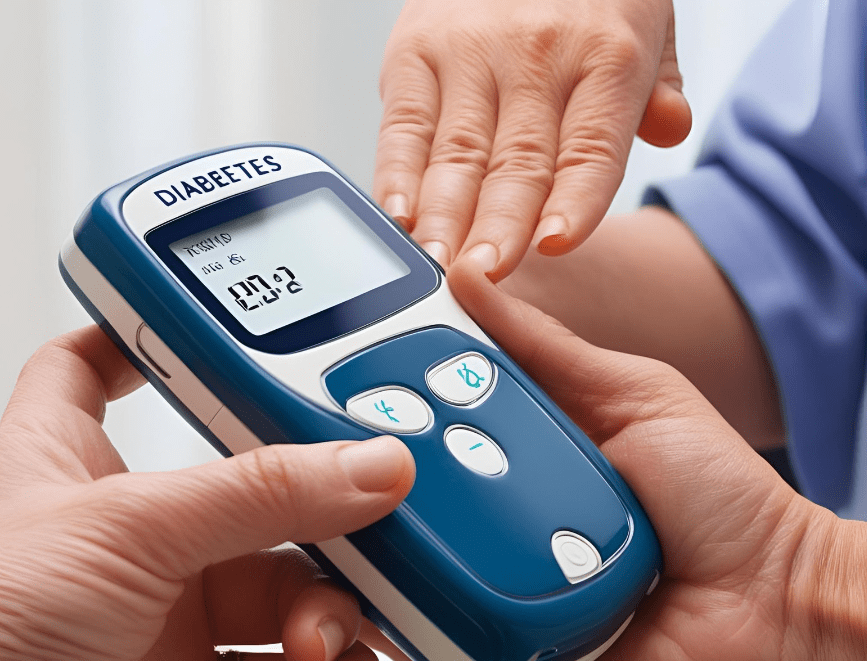
Diabetes is a chronic medical condition. It occurs when the body can’t properly process or respond to insulin. Insulin is a hormone that regulates blood sugar (glucose) levels. There are two main types of diabetes: Type 1 and Type 2. There is also a condition known as prediabetes. This condition is a precursor to Type 2 diabetes. Understanding the causes, symptoms, and risk factors of diabetes is crucial. Knowing prevention strategies is essential for managing the condition and preventing its development.
Types of Diabetes
- Type 1 Diabetes:
- Cause: Type 1 diabetes is an autoimmune condition. The body’s immune system attacks and destroys the insulin-producing beta cells in the pancreas. This leads to little or no insulin production.
- Onset: It typically develops in childhood or early adulthood, although it can at any age.
- Management: People with Type 1 diabetes need lifelong insulin therapy to manage their blood sugar levels.
- Type 2 Diabetes:
- Cause: Type 2 diabetes is characterized by insulin resistance, where the body’s cells become less responsive to insulin. Over time, the pancreas can’t produce enough insulin to keep normal blood sugar levels.
- Onset: Type 2 diabetes is more common in adults. Yet, it is increasingly observed in children and adolescents. This trend is due to rising obesity rates.
- Management: It can often be managed with lifestyle changes, like a healthy diet, regular physical activity, and weight management. In some cases, oral medications or insulin therapy be required.
- Gestational Diabetes:
- Cause: This type of diabetes occurs during pregnancy. The body can’t produce enough insulin to meet the increased needs. This results in high blood sugar levels.
- Risk to Mother and Baby: Gestational diabetes typically resolves after childbirth. Yet, it increases the mother’s risk of developing Type 2 diabetes. This risk develops later in life. The condition poses a risk to her health in the long term. There is also an increased risk for the child.
- Management: It is often managed through diet, exercise, and monitoring blood sugar levels. In some cases, insulin is required during pregnancy.
- Prediabetes:
- Cause: Prediabetes is a condition where blood sugar levels are higher than normal. Nonetheless, they are not high enough to be classified as Type 2 diabetes. It indicates a higher risk of developing Type 2 diabetes.
- Reversibility: With lifestyle changes, like weight loss, increased physical activity, and dietary adjustments, prediabetes can often be reversed.
Risk Factors for Type 2 Diabetes
Several risk factors increase the likelihood of developing Type 2 diabetes, including:
- Genetic Factors:
- A family history of diabetes increases the risk of developing Type 2 diabetes. The risk is especially high if a parent or sibling has the condition.
- Age: People over the age of 45 are at higher risk. The incidence in younger adults and children is rising, especially due to obesity.
- Obesity and Physical Inactivity:
- Obesity, particularly excess fat around the abdomen, increases insulin resistance, making it harder for the body to process glucose.
- Lack of physical activity contributes to weight gain and insulin resistance, further elevating the risk.
- Poor Diet:
- A diet high in processed foods, sugar, and unhealthy fats leads to obesity. A diet low in fruits, vegetables, and whole grains contributes to insulin resistance.
- Ethnic and Racial Background:
- Certain populations, including African Americans, Hispanic Americans, Native Americans, and Asian Americans, are at greater risk for Type 2 diabetes.
- High Blood Pressure and High Cholesterol:
- People with high blood pressure (hypertension) or abnormal cholesterol levels are at an increased risk of Type 2 diabetes.
- Gestational Diabetes:
- Women who develop gestational diabetes during pregnancy are more likely to develop Type 2 diabetes later in life.
Prevention of Diabetes
Preventing diabetes, particularly Type 2 diabetes, is possible with lifestyle changes. These changes focus on maintaining a healthy weight. They also involve improving nutrition and increasing physical activity. Early intervention can significantly reduce the risk of developing the disease, especially for individuals with prediabetes.
1. Healthy Diet
- Balanced Meals: A diet rich in vegetables, fruits, whole grains, lean proteins, and healthy fats helps regulate blood sugar levels.
- Limit Sugary Foods and Refined Carbs: Foods high in sugar can spike blood sugar. Refined carbohydrates, like soda, sweets, and white bread, also cause spikes.
- Part Control: Managing part sizes and avoiding overeating helps keep a healthy weight.
- Increase Fiber Intake: Fiber helps slow the absorption of sugar and improves blood sugar control. High-fiber foods include whole grains, beans, vegetables, and fruits.
2. Regular Physical Activity
- Exercise Benefits: Regular physical activity improves insulin sensitivity and helps keep a healthy weight. Aerobic exercises (e.g., walking, running, cycling) and strength training exercises (e.g., weightlifting) both contribute to overall health.
- Goal: Aim for at least 150 minutes of moderate intensity exercise each week. Alternatively, aim for 75 minutes of vigorous-intensity exercise weekly. Include strength training exercises twice a week.
3. Weight Management
- Healthy Weight Loss: Losing even a modest amount of weight is beneficial. Reducing 5-10% of total body weight can significantly lower the risk. It is particularly beneficial for those with prediabetes to prevent developing Type 2 diabetes.
- Sustainable Approach: A combination of healthy eating and regular exercise is the most effective strategy. It helps achieve a healthy weight. It also aids in maintaining a healthy weight.
4. Regular Monitoring
- Blood Sugar Testing: Regular monitoring of blood sugar levels helps detect prediabetes or early stages of diabetes. This can be done through blood tests like the A1C test. It measures average blood sugar levels over the past two to three months. Another method is through a fasting blood glucose test.
- Health Screenings: Regular check-ups with a healthcare provider help assess overall health. They catch potential issues like high blood pressure. These issues or high cholesterol increase diabetes risk.
5. Stress Management
- Stress and Blood Sugar: Chronic stress can lead to higher levels of cortisol. This hormone can increase blood sugar levels. Techniques like yoga, meditation, deep breathing, or simply getting enough sleep can help reduce stress.
- Sleep: Adequate sleep (7-9 hours per night) is essential for regulating blood sugar and overall health. Poor sleep patterns can negatively impact insulin sensitivity.
Treatment of Diabetes
For those diagnosed with diabetes, management focuses on controlling blood sugar levels and preventing complications. Treatment plans include:
- Insulin Therapy: Type 1 diabetes requires insulin injections or an insulin pump. Some cases of Type 2 diabetes also need this treatment.
- Oral Medications: People with Type 2 diabetes are prescribed medications for various reasons. These medications can improve insulin sensitivity. They can also help the body produce more insulin.
- Lifestyle Changes: As mentioned earlier, diet and exercise play a significant role in managing diabetes.
- Monitoring: Regular blood glucose testing helps track blood sugar levels and adjust treatment as needed.
Complications of Uncontrolled Diabetes
If left untreated or poorly managed, diabetes can lead to serious complications, including:
- Heart Disease: Diabetes increases the risk of heart disease and stroke. This is due to damage to blood vessels and high blood pressure.
- Kidney Damage (Diabetic Nephropathy): Over time, high blood sugar can damage the kidneys and lead to kidney failure.
- Nerve Damage (Neuropathy): High blood sugar can damage nerves. This occurs especially in the hands and feet. It leads to numbness, pain, and poor circulation.
- Vision Problems: Diabetes can damage the blood vessels in the eyes. This can lead to conditions like diabetic retinopathy and blindness.
- Poor Wound Healing: High blood sugar can impair the body’s ability to heal wounds. It can also weaken the ability to fight infections. This led to complications like foot ulcers.
Discover more from Welness Travel
Subscribe to get the latest posts sent to your email.

usefulness information
LikeLike